

When I was 22, I pretended to be married to get free ski lift tickets.
My wife’s name was Larissa. She was a pre-med student at the University of Houston. We met in undergrad. We were very much in love and very interested in owning a timeshare.
None of that was true.
I had just met Larissa the day before. She was a part of a larger group of us on the ski trip and friends of friends of someone I didn’t know.
Unfortunately, the timeshare company needed help identifying us as unlikely customers. They gave a compelling offer to anyone who walked by – including cheap 20-year-olds.
We wanted those free lift tickets, enough to pretend we were a couple interested in a timeshare and willing to sit through a 90-minute sales pitch.
Giving away those ski lift tickets was smart. Even though the timeshare folks didn’t know we didn’t want a timeshare, they made a bet that potential customers would talk to them because:
- We were in Breckenridge, likely to ski
- Ski lift tickets were expensive
The tactic worked. The timeshare company generated a lead, even if a bad one.
Suppose they knew who we were ahead of time? Or they asked the right questions when we walked into their sales office. In those cases, they would have moved us along.
They could have then spent their time with the actual customers in-market for a timeshare and lowered their customer acquisition costs by saving money on those lift tickets.
They could have asked, where are you staying?
If we were staying at One Skill Hill for the week, paying up to $75,000, we might have been an ideal target for purchasing a vacation property. However, if they knew that there were 8 of us sharing a king bed and pullout couch, they would have known we were not ideal.

Or, they could have asked, how often do you go skiing?
If we traveled to the mountains often, purchasing a timeshare may have been a better value in the long run. But instead, they had no idea this would be my first and last time to willingly fall down a mountain.
Instead, this company was hungry for leads. It didn’t matter who they talked to as long as they booked the meeting to hit their meeting quota for the month.

Today, the timeshare company can do much better with the right technology. They can identify better customers, find out more about them, and engage them at each stage in the lifecycle.
A marketer at this company can get ahead of vacationers while planning their trip. For example, they could offer information about the area, guides about the best restaurants and nightlife, or even details on rising property values or projections for rising hotel costs.
The timeshare company could provide a lot of value to travelers. Once a relationship is built from relevant and helpful information, they might look at some of the timeshare properties. Suppose that happens and there is some interest. In that case, the company can further educate potential customers about the benefits of owning a timeshare with pricing calculators, quizzes, and surveys.
Sales could get involved if the vacationers signal that they’re interested in a timeshare. An introductory call could be made to secure a meeting. On the call, sales could use one of their high-value offers. Something like ski lift tickets, a voucher at an exclusive restaurant in the area, or something as basic as testimonials from other timeshare owners.
At this point, the vacationers see the company as an expert on the area. They have been nurtured through the process and are familiar with the offer. They may already have some ideas on how they’d afford the timeshare and maybe even be excited about it. And they will be willing to trade some of their vacation time to have a discussion with the company in exchange for their high-value incentive.
This may be how timeshares are sold now. It’s been a long time since that trip, and I was never an ideal customer for them anyway.
It got me thinking, though, how even with all of the technology available today, Marketers are still employing such basic campaigns and hoping for the best. They’ll do whatever they can to get the MQL to hit the monthly number, wasting time and resources.
Last week, this happened to me again.
I was included in a LinkedIn Conversation Ad campaign from a company offering a $100 Amazon gift card in exchange for a meeting with them.

Here’s what it said:
Hi Michael, I’d like to send you a $100 Amazon gift card!
I lead marketing at XXX a no-code platform that helps the fastest growing unicorns such as XXX and XXX create personalized experiences and increase leads by 3x.
I’m sure you’re feeling the pressure of generating revenue, so I’d love to show you how XXX can help. Take a meeting with us and I’ll send you a $100 Amazon gift card.
Interested?
P.S. We have a limited number of gift cards available, so act fast!
There was a small thumbnail image of an Amazon gift card and a message that said, “Learn about XXX and get a $100 Amazon gift card.”
I know I got this message because of my job title, a company listed in my profile, or location. There was nothing personal about this primary data, especially since it was not supplemented by other data sources.
The opening hook is about getting a gift card. But, unfortunately, the closing line says the company only has a few gift cards to begin with. So, immediately, I was turned off.
The introductory line should have informed me about a problem I’m facing and what they can do about it.
Instead, kicking off by saying, ‘they help unicorn companies with personalized experiences to increase leads,’ doesn’t tell me anything.
They are vague in problem-solving. The way it is positioned “alleviate the pressure caused by generating revenue” isn’t relatable and isn’t written in a tone that feels personal or human.
I’d never be at dinner with friends and say, “you know what, this week I’ve felt a lot of pressure generating revenue. I wish someone could help me.” And if I did, it would be the last invite I got.
The last line finally delivers the ask: take a meeting with us and get a $100 gift card.
Even though the idea of getting a $100 Amazon gift card is enticing, I don’t know who this company is. I don’t know what they do.
I know that sitting through sales calls can be painful, even at the best of times. If I’m going to join one, I need to be in the market for the service they are addressing, and I already have a general sense of what they do. When I join sales pitches, I know the value I’ll be getting. I’m joining to ask questions and clarify any last-minute issues.
In this instance, joining a sales pitch without any context for a $100 Amazon gift card is less compelling than free ski lift tickets.
I didn’t click on the ad to potentially get the gift card.
Instead, I spent several days thinking about why this ad annoyed me.
What I would have done differently
The objective of their campaign was to generate meetings. But, similarly to the timeshare story, a meeting will only be worthwhile if you engage with the right customers.
If your first engagement is trying to land a sales meeting, it will not work. Especially today when B2B buyers get through 70% of the buying process without speaking to the sales.
Instead of running a campaign based off of specific job titles, locations, or company names, I would focus on identifying prospects showing buying signals. Have they visited my site or my competitor’s sites recently? And how often?
What type of information are they looking for? General information guides or pricing sheets? Do they currently have a solution in place or are they using a tool by a competitor raising prices? Are their actions on the site similar to other accounts that have recently closed?
Meeting someone with those characteristics defined will be much more valuable than meeting someone like me.
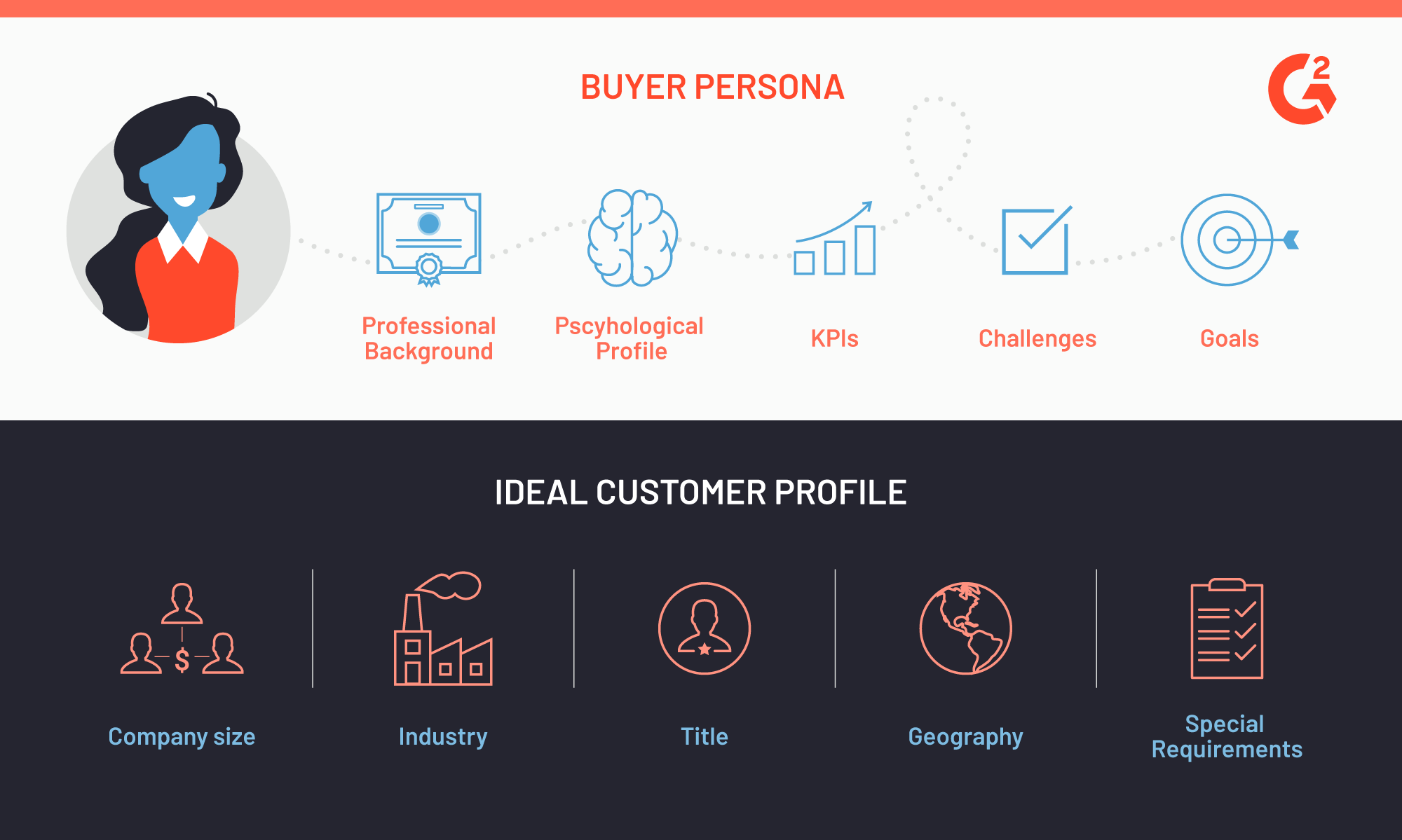
Today’s technology can build out detailed customer profiles and identify those most likely to purchase, all based on historical and AI-backed predictive data. With this in hand, a more relevant audience is engaged, and the likelihood is that the time your sales team spends with this person will convert into revenue.
An Amazon gift card might be a practical kicker to get a meeting if the potential customer is close to the conversion stage. However, it’s disconnected from the actual value of what the company is selling.
Instead, I would have offered a free trial, case studies, a buyer’s guide, or a consultation. That should be exciting enough if the prospect is ready to buy. However, it should deliver much better results than skipping past any time of nurture and going straight to a meeting.
Knowing your customer is critical whether you’re selling timeshares in Colorado or software services online. We’re finally at a point where marketing has the tools to do this. Now we can advise and develop data-backed strategies to make the entire lifecycle journey efficient and enjoyable. So let’s start doing it.
Larissa and I didn’t make it as a couple. In fact, I never saw her again after that trip. Although, according to her socials, she’s a very successful doctor. I hope that the experience of sitting through a timeshare pitch to get free ski lift tickets helps frame issues in her career as much as it does mine.
 Enough read.