

Key Takeaways from Alchemy: The Dark Art and Curious Science of Creating Magic in Brands
I’m on a real learning kick lately, stemming from my current status of being unemployed. Over the past two weeks, I’ve completed 4 online certifications, subscribed to maybe nine or ten newsletters on everything from crypto to writing tips, and am trying to self team myself the art of SEO and website design.
Among the tools I’ve employed in my unemployment are: Canva, Semrush, Grammarly, WordPress, and I’ve also resubscribed to Blinkist, for the third time. I’ve had a love/hate relationship with Blinkist. Love the idea of it, hate listening to people give summaries of the books.
But, a way to absorb an entire book in 20 minutes? I’ll give it a shot …again.
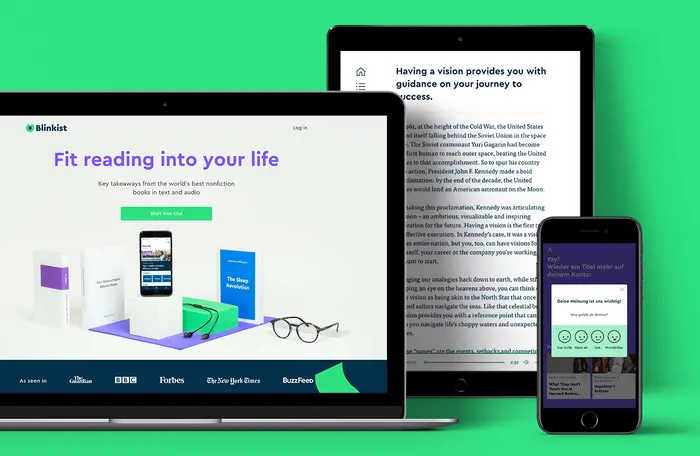
In an effort to compliment this self-taught wave I’m on, and to make myself write more, I’m going to summarize the books I’ve Blinked through and post summaries a couple times a week. Or that’s the plan anyway.
Today, we’ll start with Alchemy: The Dark Art and Curious Science of Creating Magic in Brands, Business, and Life by Rory Sutherland.

For an abridged version, I took away a lot of insights. It main theme is that unconventional thinking from marketers and sales teams can lead to breakthroughs – and highlights the importance of not dismissing an idea because it goes against data or the logical choice. Psychology and psycholophysics (the study of how perception varies from person to person) also found their ways into the stories and examples described.
There were a lot of interesting examples given in the Blinks to support this theory. The first was the notion that employers need to give employees more time off to increase productivity (as opposed to the idea of making them work harder/longer hours). With so much conversation happening today around hybrid work environments and productivity, this idea seemed a little antiquated; however, it got the message across.

The flip side of the argument gets raised a lot in the HR communities too – saying that companies offering unlimited time off end up with staff taking less vacation than if they had an allotted amount to use up.
The overall idea of perception and how it can differ in reality depending on the person and circumstance was applied to unconventional thinking in the later blinks. The first example described how in the 1990s, consumers of Cadbury chocolates complained that the chocolate tasted different than it did before – even though there had been no change made to the recipe. What changed was the shape of the chocolate bar – and even though nothing with the formula changed to impact the taste, it’s what people thought.
One study explained how a certain train line needed rerouting. This would end up increasing the commute time by 20 minutes. Studies warned that the extension would upset customers and risk millions of dollars.
Given the change had to happen, the operator looked in other places. Something still in their control was the experience. The train operator improved the customer experience and the longer travel time problem went away.
That tracks for me. A 16-hour flight in business class from Sydney to Dallas will literally fly by but a 55 minute domestic flight in coach will last an eternity.
Commuters may not like the longer wait times, but let them charge their iPhones for free and they are happy.
Photo from ExecutiveTraveller.com
Amazon found this too when testing how shipping charges harmed sales. Customers would abandon their orders if they had to pay for shipping. That is how Amazon Prime was born.
Customers would prefer to add more items into their shopping carts if it meant that they didn’t have to pay the fee. It goes against conventional wisdom that customers would want to spend more money. But their issue wasn’t the price, it was the principle of paying for shipping.
The idea of vagueness and uncertainty and how it impacted customers using Uber for ride sharing was mentioned too. The Uber example found that that just by adding a feature to see where your driver was, it would reduce the uncertainty and angst, thus overall improving the experience. The overall wait times didn’t change at all – just people’s attitudes towards the waiting had and a more positive sentiment was the result.
What the Blinks don’t go into is how to think from a psychological perspective to unlock these unconventional, but potentially impactful ideas. Whether it was Cadbury chocolate or product engineers at Uber HQ, it still seems like these ideas would need to go through focus groups, user experience research, client interviews, and lots of testing. In marketing, we spend so much time trying to understand our customers, find the ideal customers, do usability testing to improve our products and services, and uncover data to make our marketing strategy really perform.
Once a company pours so much time and money into doing this type of research, it seems unlikely that they’d be willing to ignore the data to go with an unconventional hunch…but I guess that’s the point.
Overall, I enjoyed this one.
The notion of embracing unconventional ideas is something I can really get behind. My main takeaway would be to schedule time to step away from something you’re trying to figure out. Take a moment to look at the problem from a psychological point of view.
Try something different. There could be magic hiding in the land beyond your buyer personas and audience profiles. And that magic is what is going to help make your marketing and branding efforts perform.
 Enough read.